lifting operations and lifting equipment regulations 1998 pdf
Overview of LOLER 1998
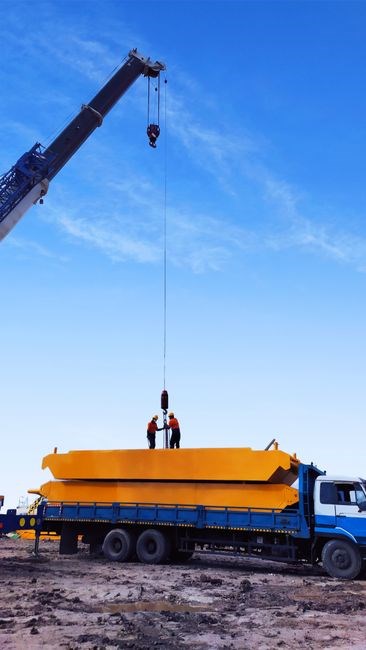
LOLER 1998 governs lifting operations‚ ensuring equipment meets strength‚ stability‚ and marking standards. It mandates regular inspections‚ proper positioning‚ and detailed record‑keeping. Compliance protects workers and aligns with HSE guidance‚ reducing workplace incidents. HSE inspectors enforce duties now
Historical Development and Purpose
LOLER 1998 emerged from a series of high‑profile lifting accidents in the UK during the 1980s‚ prompting the Health and Safety Executive (HSE) to develop a comprehensive regulatory framework. The legislation replaced earlier‚ fragmented guidance and introduced a single‚ enforceable set of rules that apply to all lifting equipment used in workplaces. Its core purpose is to reduce the risk of injury or death by ensuring that lifting devices are designed‚ constructed‚ and maintained to meet strict strength and stability criteria. The regulations also mandate that equipment be properly positioned‚ marked‚ and inspected on a regular basis‚ and that detailed records be kept. By codifying these requirements‚ LOLER 1998 provides a clear legal basis for employers‚ operators‚ and inspectors to assess compliance‚ thereby fostering a safer working environment across diverse industries such as construction‚ manufacturing‚ and warehousing. Since its enactment‚ LOLER has been regularly updated to reflect technological advances and lessons learned from incidents. The HSE publishes detailed guidance‚ including the ‘LOLER 1998: A Practical Guide’ and the ‘LOLER 1998: Inspection and Examination Handbook’‚ which outline the required frequency of inspections‚ the criteria for safe load limits‚ and the responsibilities of all parties involved. Training programs now incorporate these standards‚ ensuring that supervisors‚ riggers‚ and maintenance staff are competent in recognising defects and applying corrective actions. The regulations also require that any equipment failing a test be removed from service until it is repaired or replaced‚ thereby preventing the recurrence of accidents. Overall‚ LOLER 1998 remains a cornerstone of occupational safety‚ continually shaping best practices and safeguarding countless workers across the United Kingdom. Today. Again!?
Scope and Applicability to Lifting Operations
LOLER 1998 applies to all lifting equipment used within a workplace‚ regardless of size‚ type‚ or industry. This includes permanent and portable devices such as cranes‚ hoists‚ chains‚ slings‚ and temporary installations like scaffolding or platforms. The regulation covers any device that lifts or moves a load. The scope extends to both manual and powered lifting operations‚ covering warehouses‚ construction sites‚ factories‚ and maritime settings. It applies to equipment owned by employers‚ contractors‚ or subcontractors‚ and to any temporary arrangements assembled on site. All operators must ensure compliance with strength‚ stability‚ and marking. LOLER 1998 requires routine inspections before each use and periodic examinations at intervals specified by the HSE. Detailed records must be kept for every device‚ documenting load limits‚ inspection dates‚ and defects. Failure to maintain accurate records can result in enforcement action and legal penalties. The regulation mandates that equipment be positioned on a stable base‚ correctly marked with load ratings‚ and inspected for defects before use. Operators must be trained to recognise unsafe conditions‚ and employers must provide supervision and emergency procedures. LOLER 1998 applies to all lifting equipment regardless of whether it is used for routine or exceptional tasks. The HSE publishes guidance documents‚ training resources‚ and inspection checklists to help organisations understand and implement these requirements. Compliance reduces workplace accidents and protects workers’ safety. Employers must ensure all personnel receive appropriate training and that emergency response plans are in place. All lifting activities must be documented daily
Legal Responsibilities and Compliance
Employers must ensure lifting equipment is safe‚ properly marked‚ and inspected. Operators are obliged to follow HSE guidance‚ use only certified devices‚ and report defects immediately. Failure to comply can lead to enforcement actions‚ fines‚ or prosecution. penalties.
Duties of Employers and Operators
Employers are legally bound to guarantee that every lifting device used on site meets LOLER 1998 strength and stability standards. They must appoint competent supervisors‚ conduct risk assessments‚ and develop detailed lifting plans that specify safe working procedures‚ load limits‚ and emergency measures. Employers must also provide training for all operators‚ covering equipment operation‚ hazard recognition‚ and adherence to prescribed limits. Operators must use only equipment that has undergone required inspections‚ operate within manufacturer limits‚ and immediately report any defects or unsafe conditions to their employer. Failure to comply can result in enforcement actions‚ fines‚ prosecution‚ or suspension of operations. Cooperation with HSE inspectors‚ timely corrective actions‚ and audits of lifting plans and equipment performance are essential to uphold compliance and protect health and safety. Employers must also store equipment properly‚ protect it from damaging environmental conditions. All work safe. Operators should be familiar with load charts and safety factors‚ verify that intended loads do not exceed safe working loads‚ and participate in drills to reinforce safe practices. All records must be kept for a minimum of five years and stored securely. A clear reporting hierarchy ensures concerns are addressed transparently. By fostering a culture of safety and accountability‚ employers and operators contribute to a safer working environment and reduce the likelihood of accidents or equipment failure during lifting operations.

Roles of Inspectors and Certifiers
Inspectors and certifiers serve as the regulatory backbone of LOLER 1998 compliance. Their primary role is to conduct thorough inspections‚ verify that lifting equipment meets statutory strength‚ stability‚ and marking criteria that are valid for the prescribed period. They must assess the design‚ installation‚ and positioning of each device‚ ensuring that load charts‚ safety factors‚ and operational limits are accurately applied. Inspectors also review operators’ competence records‚ training logs‚ and risk assessments‚ confirming that all personnel are qualified and that lifting plans are properly documented. In addition‚ they evaluate maintenance schedules‚ defect management procedures‚ and the adequacy of safety measures such as guardrails‚ fall protection‚ and emergency stop controls. Certifiers‚ often accredited engineering bodies‚ perform detailed technical examinations equipment can safely handle its intended loads. They maintain a registry of certified devices‚ update records when equipment is refurbished or modified‚ and notify employers of any changes in compliance status. Both inspectors and certifiers must keep meticulous records‚ produce inspection reports‚ and provide guidance on corrective actions when deficiencies are found. Their findings are critical for HSE enforcement actions‚ ensuring that non‑compliance is identified early and remedied before accidents occur. By upholding rigorous standards‚ inspectors and certifiers protect workers‚ reduce liability‚ and maintain public confidence in the safety of lifting operations.
Equipment Design and Safety Standards
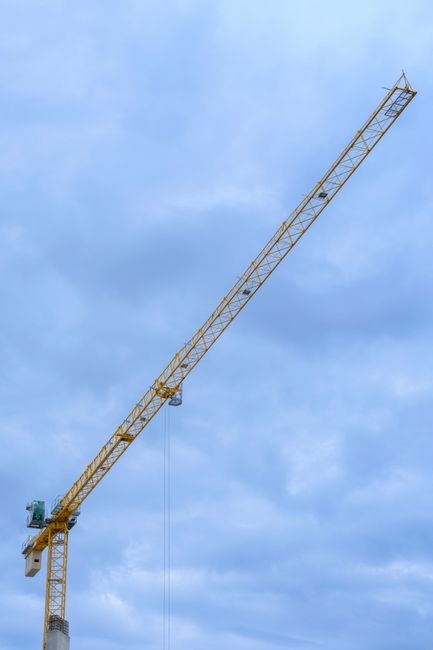
LOLER 1998 mandates that lifting equipment be designed to meet strict strength and stability criteria‚ with clear load charts and safety factors. Devices must carry permanent markings indicating maximum load‚ certification‚ and inspection dates. Proper installation essential to maintain integrity during use.!!
Strength‚ Stability‚ and Marking Requirements
LOLER 1998 requires every lifting device to be designed‚ manufactured‚ and tested so that its ultimate load capacity exceeds the maximum load it will ever carry‚ with a safety factor of at least 4:1 for static loads and 5:1 for dynamic or impact loads. The design must consider material properties‚ construction details‚ potential failure modes‚ and environmental factors‚ and must be documented in a technical file that includes load charts‚ stress calculations‚ and inspection records. Stability is assessed by ensuring the centre of gravity of the load‚ device‚ and rigging system remains within the base of support during all phases of the lift‚ including acceleration‚ deceleration‚ and any movement of the load. Devices must carry permanent‚ legible markings that identify the manufacturer‚ model‚ serial number‚ maximum permissible load‚ and the date of the last inspection or examination. These markings must be resistant to wear‚ corrosion‚ and environmental conditions‚ and must remain visible and unaltered throughout the device’s service life. The HSE guidance stresses that any deviation from the marked load limits‚ any evidence of fatigue‚ corrosion‚ or structural damage‚ or any alteration to the device’s original design must be reported immediately and the device taken out of service until a qualified engineer can certify its continued safety. Compliance with these strength‚ stability‚ and marking requirements is essential to prevent accidents‚ protect workers‚ and meet legal obligations under LOLER 1998. Equipment inspected!!!!!
Operators must keep inspection logs‚ record defects‚ and ensure devices are inspected annually‚ with more checks for heavy use or harsh environments. Markings must be updated and logged! Inspection mandatory!!
Installation‚ Positioning‚ and Defect Management
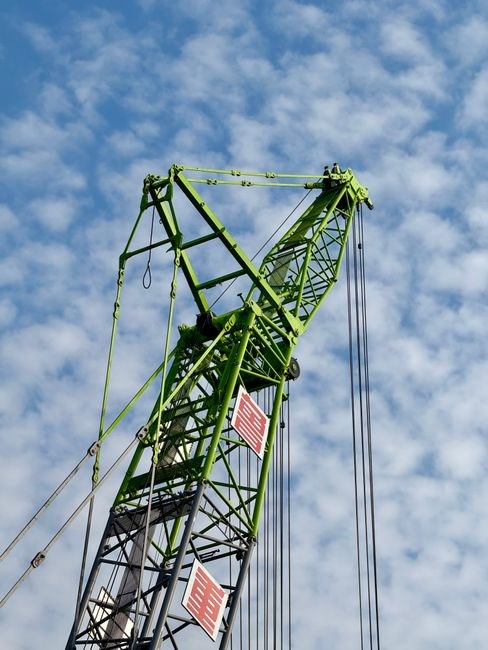
LOLER 1998 mandates that all lifting equipment be installed in accordance with the manufacturer’s instructions and relevant British Standards‚ such as BS 5950 for structural steel and BS 5951 for lifting gear. The installation must ensure that the device is mounted on a stable‚ level foundation that can support the maximum load plus a safety margin. Proper anchorage‚ bolting‚ and alignment are critical to prevent tilting or rocking during operation. Positioning of the load must keep the centre of gravity within the base of support‚ and the rigging system must be arranged to avoid excessive sway or torsion. The HSE guidance requires that any change to the installation‚ such as relocation or modification of the mounting point‚ must be re‑examined and re‑certified by a qualified engineer before the equipment is used again. Defect management is governed by a strict defect reporting protocol: any visible cracks‚ corrosion‚ deformation‚ or loss of material must be documented‚ photographed‚ and reported to the responsible party immediately. The device must be removed from service until a qualified inspector can determine the severity of the defect and recommend repair‚ replacement‚ or re‑examination. Regular visual inspections are required at least once per shift for high‑risk equipment‚ with more frequent checks for devices operating in corrosive or abrasive environments. All defect records must be kept in a log that includes the date‚ description‚ action taken‚ and the name of the inspector. This log is part of the statutory record‑keeping and must be available for inspection by HSE inspectors at any time. Compliance with installation‚ positioning‚ and defect management reduces the risk of catastrophic failure and ensures that lifting operations remain within the safety envelope defined by LOLER 1998. The HSE also provides downloadable checklists and templates for defect reporting and installation verification‚ which should be used to maintain consistency across all sites. Continuous training of operators and maintenance staff on these procedures is essential to uphold the integrity of the lifting system and protect personnel from injury. Additionally‚ any temporary installations‚ such as those used in construction sites‚ must be inspected by a competent person before each use‚ and the installation must be documented with a site‑specific installation diagram. The diagram should illustrate load paths‚ anchor points‚ and any potential interference with surrounding structures. This practice ensures that the rigging system is not overloaded and that the equipment remains within its design limits throughout the operation. The HSE also recommends that operators keep a real‑time log of any changes to the rigging configuration‚ including the use of temporary slings or alternative attachment points‚ to facilitate rapid assessment during post‑lift reviews. By rigorously following these installation‚ positioning‚ and defect management protocols‚ organisations can demonstrate compliance with LOLER 1998 and significantly reduce the likelihood of lifting‑related accidents.

Inspection‚ Examination‚ and Record-Keeping
LOLER 1998 requires routine visual checks periodic mechanical examinations‚ detailed logs. Inspections must note load limits‚ defects‚ and corrective actions. Records‚ including dates‚ inspector names‚ and compliance status‚ are kept for audit and HSE review.
Routine Inspection and Periodic Examination Protocols
LOLER 1998 mandates a visual inspection before each use. Inspectors check for visible damage‚ corrosion‚ wear‚ or deformation that could compromise integrity. The device must be correctly marked with its maximum load‚ and all safety devices such as brakes and load indicators must be operational. Any defect found requires the equipment to be taken out of service until repaired or replaced.
Periodic examinations are scheduled by equipment type and usage intensity. Chains and slings used in continuous operations usually need a mechanical test every 12 months‚ while lighter devices like portable hoists may be examined every 24 months. A competent person must conduct the test‚ which may involve load testing or non‑destructive methods such as ultrasonic or magnetic‑particle inspection to detect internal flaws and verify load‑bearing capacity.
During each inspection‚ the inspector records the date‚ name and qualification of the person‚ the equipment condition‚ any defects‚ and corrective actions taken. Records must be kept for at least five years‚ include the last inspection date‚ the next scheduled inspection‚ and any changes to load rating or usage conditions‚ ensuring traceability and compliance.
LOLER 1998 aligns with HSE guidance like the ‘Safe Use of Lifting Equipment’ handbook and the ‘LOLER 1998 – Practical Guidance’ PDF. Inspectors must follow prescribed intervals‚ use appropriate test methods‚ and maintain detailed logs. Non‑compliance can trigger enforcement actions‚ fines‚ or prosecution under the Health and Safety at Work Act.
Regular audits reinforce compliance.
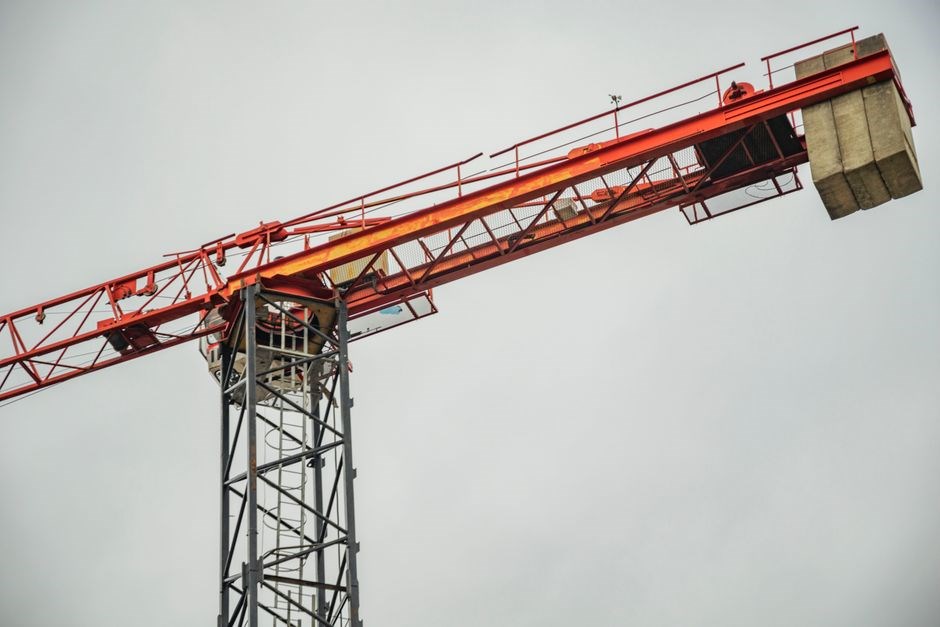
Adhering to these protocols safeguards workers and protects employers from liability and fines.
LOLER 1998 requires that every lifting device be accompanied by a written record of its inspection history. The record must include the date of each inspection‚ the name and qualification of the person who performed it‚ and a concise description of any defects found or corrective actions taken. For devices subject to periodic examination‚ the record must also state the next scheduled examination date and the method used (e.g.‚ mechanical test‚ non‑destructive inspection).
Documentation‚ Reporting‚ and Maintenance Records
All documentation must be retained for a minimum of five years‚ as stipulated by the Health and Safety at Work Act. Records should be stored in a secure‚ easily retrievable location‚ either on paper or in a digital system that allows audit trails and version control. The system must enable quick access for inspectors‚ auditors‚ or legal inquiries. The system must also ensure compliance.
Inspection‚ Examination‚ and Record-Keeping
Reporting to the employer is mandatory whenever a defect is identified that could affect the safety of the operation. The report should be written in a clear‚ factual manner‚ include photographic evidence if available‚ and recommend whether the equipment should be taken out of service‚ repaired‚ or replaced. The employer must act promptly‚ ensuring that no lifting operation proceeds until the defect is resolved. and ok. Or inquiries;
Enforcement‚ Penalties‚ and Guidance Resources
Maintenance records are equally critical. They should detail every repair‚ replacement part‚ adjustment performed on the device. Each entry must note the date‚ part number‚ reason for maintenance action‚ technician. These records help demonstrate compliance during inspections. Or legal inquiries.
Enforcement‚ Penalties‚ and Guidance Resources
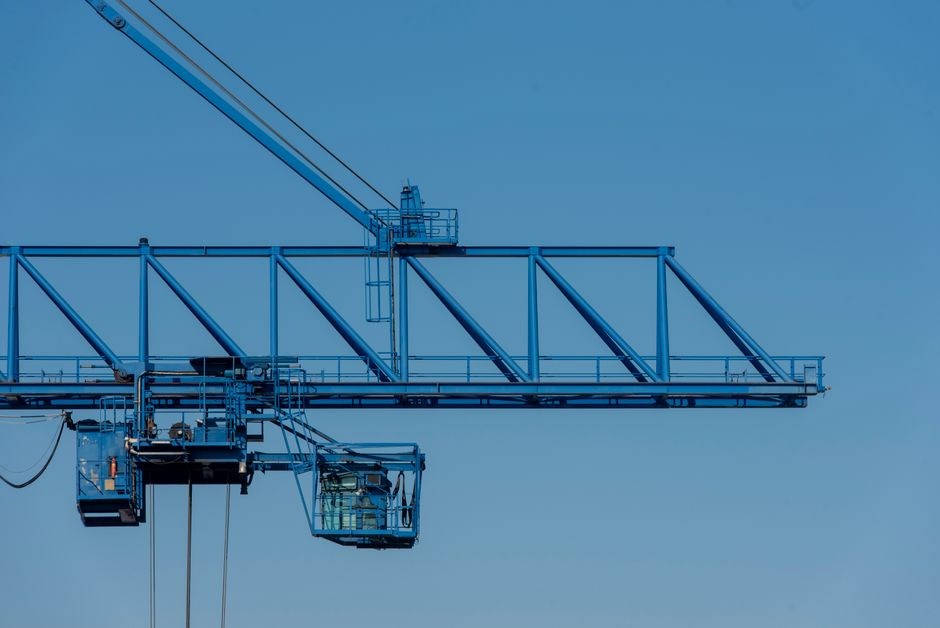
HSE inspectors enforce LOLER 1998 through on‑site checks‚ issuing notices for non‑compliance. Penalties range from fines to prosecution‚ with record‑keeping failures attracting severe sanctions. Guidance PDFs and online resources provide detailed compliance instructions. Compliance audits are mandatory daily.
Inspection Actions and Legal Consequences
When a lifting device fails a routine check‚ the HSE inspector will issue a Notice to Remedy. The operator must halt all use until corrective work is completed and a re‑inspection confirms compliance. Failure to comply can lead to a Prosecution Notice‚ which may result in a fine of up to £10‚000‚ imprisonment‚ or both‚ depending on severity. Repeated breaches trigger a statutory enforcement action‚ potentially revoking the operator’s licence. The legal framework also requires that any defect discovered during an examination be reported within 24 hours‚ with a detailed corrective action plan submitted to the HSE within 7 days. Non‑reporting can attract a Class 2 offence‚ carrying a maximum penalty of £5‚000. The enforcement process includes a formal investigation‚ evidence gathering‚ and a court hearing if necessary. The HSE may also impose a temporary suspension of the lifting operation‚ requiring a safety audit before resumption. All enforcement actions are recorded in the HSE’s database‚ and the operator’s compliance history is publicly accessible‚ influencing future inspection priorities. The penalties are designed to deter unsafe practices‚ promote proactive maintenance‚ and ensure that lifting operations meet the rigorous safety standards set out in the 1998 regulations. Operators should maintain meticulous logs‚ conduct regular self‑inspections‚ and engage certified inspectors to mitigate the risk of enforcement actions and legal penalties.
Operators should also maintain a detailed lifting plan that specifies load limits‚ rigging configurations‚ and safety margins. The plan must be reviewed and approved by a qualified engineer before any operation commences. During the lift‚ a designated signalman must monitor the load and communicate any changes to the operator. All incidents‚ even near misses‚ must be recorded in an incident log and investigated promptly. The HSE encourages the use of digital inspection tools to track compliance‚ which can reduce paperwork and improve audit readiness. If a defect is identified‚ the equipment must be removed from service immediately‚ and a corrective action plan must be submitted to the HSE within 48 hours. Failure to act can result in a Class 3 offence‚ carrying a fine of up to £2‚500 and potential suspension of the operator’s licence for up to 12 months. By proactively managing risks and demonstrating compliance‚ operators can avoid enforcement actions and maintain a safe working environment.
Official HSE Guidance and PDF Resources
For detailed compliance‚ the Health and Safety Executive (HSE) offers a suite of downloadable PDFs that cover every aspect of the Lifting Operations and Lifting Equipment Regulations 1998 (LOLER 1998). The flagship document‚ “LOLER 1998 – Guidance for Operators and Inspectors‚” is a 30‑page manual that explains the legal framework‚ outlines the duties of employers‚ and provides step‑by‑step instructions for routine inspection‚ periodic examination‚ and record‑keeping. It also includes a checklist for verifying equipment strength‚ stability and marking‚ as well as a flowchart for determining the appropriate inspection interval based on load and usage.
Another essential resource is the “LOLER 1998 – Quick Reference Guide‚” a one‑page PDF that summarises key points such as maximum load limits‚ the definition of “defect‚” and the required corrective actions. This guide is ideal for on‑site use by signalmen and riggers who need instant access to the most critical information.
For those who need to delve deeper into technical standards‚ the HSE provides the “LOLER 1998 – Technical Guidance Notes.” These PDFs cover topics like the calculation of load capacity‚ the assessment of dynamic forces and the interpretation of statutory marking requirements. Each note includes example calculations‚ diagrams and references to the British Standards that underpin the regulations.
All PDFs are freely available from the HSE website under the “Guidance” section. Users can download them in PDF format‚ print hard copies or view them online. The HSE also hosts an interactive FAQ page that addresses common questions about inspection intervals‚ record‑keeping obligations and the process for reporting defects. By leveraging these resources‚ operators can ensure that their lifting operations remain compliant‚ safe and aligned with the latest statutory requirements.