how great thou art pdf
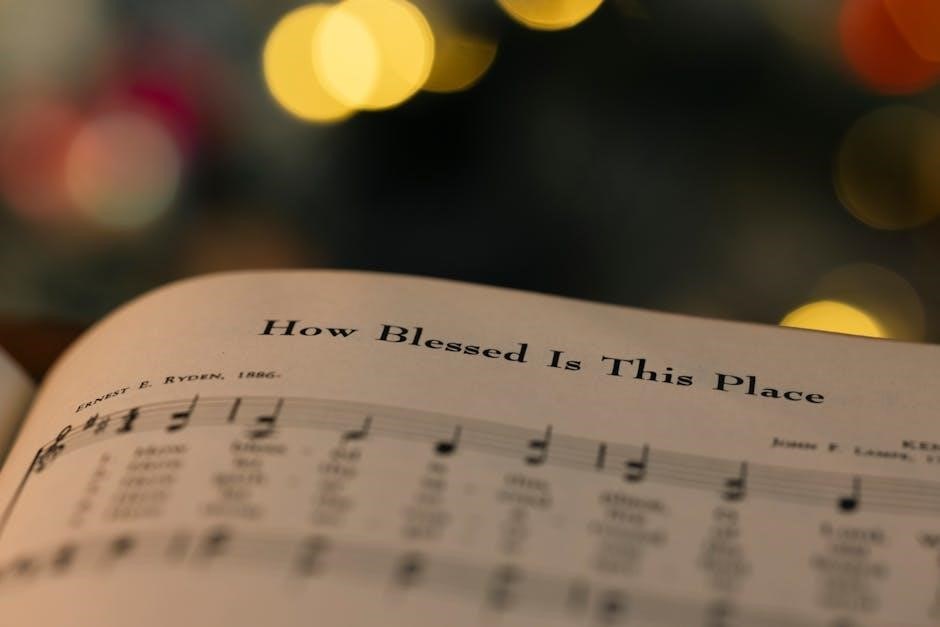
How Great Thou Art PDF: A Comprehensive Guide (Updated 04/07/2026)
Discover a wealth of resources for accessing “How Great Thou Art” in PDF format, encompassing sheet music, chord charts, and instrumental arrangements.
Explore legitimate sources, compare free and paid options, and learn about copyright considerations for performance and legal use of these digital files.
What is “How Great Thou Art”?

“How Great Thou Art” is a profoundly impactful and globally recognized hymn, celebrated for its powerful lyrics and stirring melody. While this guide focuses on accessing the hymn in PDF format – sheet music, chord charts, and instrumental arrangements – understanding the hymn’s core essence is crucial. The song is a declaration of God’s immense power and majesty, expressed through observations of the natural world and a deeply personal sense of reverence.
Originally conceived as a testament to faith, the hymn transcends denominational boundaries, resonating with Christians worldwide. The availability of PDF versions allows musicians and worship leaders to easily access and share this beloved piece. These digital formats cater to diverse musical needs, from solo piano arrangements to full choir scores. Finding the right PDF unlocks the ability to perform and experience this timeless hymn in various settings.
Ultimately, “How Great Thou Art” is more than just a song; it’s a spiritual expression, and the PDF resources serve as a gateway to connect with its enduring message.
The History of the Hymn
“How Great Thou Art” boasts a fascinating journey from its Swedish origins to global prominence. The story begins in 1885 with Carl Boberg, a Swedish poet, who penned the initial lyrics after being profoundly moved by a powerful thunderstorm. Initially titled “O Store Gud” (O Great God), the poem described the beauty and power of nature as reflections of God’s glory.
The melody we recognize today wasn’t added until 1906 by Ernst Gebhard, a Swedish composer. However, the hymn didn’t gain widespread international recognition until Stuart K. Hine, a British missionary, discovered it in the 1940s. Hine translated the lyrics into English, and the resulting hymn quickly gained popularity, particularly after being popularized by George Beverly Shea during Billy Graham’s crusades.

The availability of “How Great Thou Art” in PDF format today is a testament to its enduring legacy. These digital versions allow for easy access to the music and lyrics, preserving and sharing this historical and spiritual treasure for generations to come.
Stuart K. Hine: The Hymn’s Author
Stuart K. Hine (1901-1985) was a British missionary and gospel singer who played a pivotal role in popularizing “How Great Thou Art” worldwide. While not the original composer or lyricist, his English translation is the version most recognized today. Hine encountered the Swedish hymn during a mission trip in the 1940s and immediately recognized its powerful message.
His translation wasn’t a literal one; Hine adapted the lyrics to resonate with English-speaking audiences, adding verses and refining the language to enhance its emotional impact. This adaptation proved incredibly successful, particularly when George Beverly Shea began singing it during Billy Graham’s evangelistic crusades.
The widespread distribution of sheet music and, later, PDF versions of Hine’s English translation cemented the hymn’s place in Christian worship. His contribution ensured the hymn’s accessibility, allowing countless individuals to experience its message of awe and reverence. Many PDF resources available today directly credit Hine for the English lyrics.
The Original Swedish Version: “O Store Gud”

“O Store Gud” (Oh, Great God) is the original Swedish hymn upon which “How Great Thou Art” is based. Penned by Carl Boberg in 1898, it was initially a poem reflecting on the beauty of nature and the majesty of God. The poem quickly evolved into a hymn, set to a traditional Swedish melody.
Early PDF transcriptions and sheet music focused primarily on the Swedish lyrics, catering to Scandinavian communities. However, the hymn’s impact extended beyond Sweden, prompting translations into various languages, including English. Accessing original Swedish PDF versions provides insight into the hymn’s roots and poetic structure.
Understanding “O Store Gud” illuminates the nuances lost in translation. While Stuart K. Hine’s English version is widely celebrated, the original Swedish text offers a unique perspective on Boberg’s initial inspiration and theological intent. Many online archives now offer both the Swedish lyrics and English translations in PDF format.

Carl Boberg: The Swedish Poet Behind the Lyrics
Carl Boberg (1860-1940) was a Swedish Lutheran lay preacher and poet whose profound experience with nature and faith birthed “O Store Gud.” While walking home from an evening service in 1898, Boberg was struck by the beauty of a summer evening and the sound of birdsong, inspiring the initial verses.
Digitized PDF collections of Boberg’s complete works offer a broader understanding of his poetic style and theological beliefs. These resources reveal that “O Store Gud” wasn’t an isolated creation but part of a larger body of devotional poetry. Accessing these PDF documents provides context to the hymn’s origins.
Boberg’s life was marked by humble service and a deep commitment to his faith; He never sought fame or fortune from his writing. Today, numerous PDF biographies and analyses of his work are available, detailing his life and the enduring legacy of his most famous hymn.
The Evolution of the English Translation
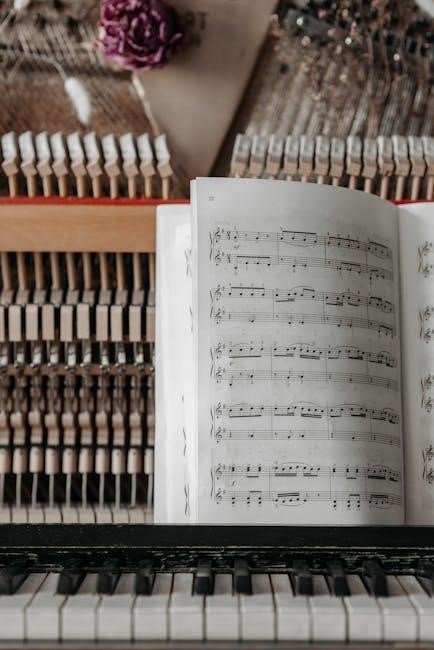
The journey from Carl Boberg’s Swedish lyrics to the globally recognized English hymn, “How Great Thou Art,” involved several key translations. Initial English versions circulated in the early 20th century, but none achieved widespread popularity.
A crucial step was the 1933 translation by Clarence Walworth Bigelow, which gained some traction. However, it was George Beverly Shea’s revised English lyrics, crafted in collaboration with Stuart K. Hine, that truly resonated with audiences. These revised lyrics are what appear in most PDF sheet music versions today.
Digital archives and PDF compilations often showcase the differences between these translations, allowing for comparative study. Examining these variations reveals how nuances in language shaped the hymn’s emotional impact. Finding PDFs with multiple versions provides a fascinating insight into the translation process and the hymn’s evolving message.
Different English Versions and Their Nuances
Numerous English translations of “How Great Thou Art” exist, each possessing subtle yet significant differences. PDF sheet music often reflects the George Beverly Shea version, the most commonly sung rendition. However, older translations by Clarence Walworth Bigelow are also available in digital formats.
These variations impact the lyrical flow and emotional weight. Some versions emphasize the grandeur of creation, while others focus on personal redemption. Examining PDFs side-by-side reveals these nuances. For instance, phrasing around verses describing nature’s power can differ, altering the hymn’s overall tone.
Musicians utilizing PDF resources should be aware of these discrepancies when selecting arrangements. Different versions may necessitate slight adjustments to phrasing or accompaniment. Understanding these nuances enhances both performance and appreciation of the hymn’s rich textual history.

Popularity and Global Impact
“How Great Thou Art” transcends cultural and linguistic boundaries, becoming one of the most beloved hymns worldwide. Its enduring popularity is reflected in the vast availability of PDF sheet music in numerous languages, demonstrating its global reach. PDF downloads consistently rank among the most sought-after hymn resources.
The hymn’s message of awe and reverence resonates deeply with diverse congregations. From North America and Europe to Africa and Asia, it’s a staple in various Christian denominations. This widespread adoption fuels continued demand for accessible PDF versions for choirs, musicians, and individual worshipers.
The digital format, particularly PDFs, has amplified its accessibility, allowing instant access for learning, performance, and personal devotion. Its continued presence in contemporary worship services solidifies its status as a timeless classic.
“How Great Thou Art” in Various Denominations
Across Christian denominations, “How Great Thou Art” enjoys widespread acceptance, though its inclusion and arrangement can vary. Many Protestant denominations, including Baptist, Methodist, and Presbyterian churches, frequently feature it in worship services. PDF sheet music tailored to different vocal arrangements (SATB, unison) is readily available for these congregations.
Catholic churches often incorporate the hymn, sometimes with adapted accompaniments. Pentecostal and charismatic churches also utilize it, frequently with more contemporary arrangements, reflected in PDF chord charts geared towards modern worship bands.
The availability of PDF versions allows each denomination to customize the hymn to suit its specific musical style and congregational needs; This adaptability contributes to its enduring popularity across the Christian spectrum, ensuring its continued presence in diverse worship settings.

Finding “How Great Thou Art” PDF Versions
Locating “How Great Thou Art” PDFs is surprisingly accessible in today’s digital landscape. A simple online search using keywords like “How Great Thou Art sheet music PDF,” “free hymn PDFs,” or “church sheet music” yields numerous results. However, caution is advised regarding copyright (discussed later).
Dedicated websites specializing in church music often host a variety of arrangements in PDF format. Many online music retailers also offer downloadable sheet music, including this beloved hymn. Furthermore, some denominations provide free PDF resources on their official websites for congregational use.
Social media groups and online forums dedicated to church musicians frequently share links to PDF versions. Remember to verify the source and legality before downloading and using any found online.
Legitimate Sources for PDF Sheet Music
Ensuring legal and high-quality access to “How Great Thou Art” PDF sheet music requires utilizing reputable sources. Musicnotes.com and Sheet Music Plus are excellent platforms offering officially licensed arrangements for various instruments and vocal ranges, often with accompanying audio files.
CCLI (Christian Copyright Licensing International) provides licensing options for churches and organizations to legally reproduce and distribute song lyrics and sheet music, including this hymn. Many church publishing houses, such as Hope Publishing or Lorenz Corporation, offer downloadable PDFs directly from their websites.
Hymnary.org is a valuable resource, though it primarily links to publishers; it doesn’t host the PDFs directly. Always prioritize sources that clearly indicate licensing or public domain status to avoid copyright infringement. These sources guarantee accuracy and support the composers and publishers.
Free vs. Paid PDF Options: A Comparison
Free PDF sheet music for “How Great Thou Art” is readily available online, but often comes with caveats. Quality can vary significantly, with potential inaccuracies in notation or arrangements. Copyright concerns are also prevalent; many free sources operate in a legal gray area.
Paid PDF options, sourced from legitimate platforms like Musicnotes.com or church publishers, offer guaranteed accuracy and legal compliance. These typically include professionally arranged scores, often with multiple instrumentations (piano, vocal, choir). The cost, usually between $5-$15 per arrangement, supports the copyright holders.
Consider your needs: for casual use, a free version might suffice, but for performance or teaching, a paid, accurate version is highly recommended. Beware of websites offering “free” downloads that require excessive personal information or contain malware.
PDFs for Different Instruments (Piano, Guitar, Choir)
“How Great Thou Art” PDFs cater to diverse musical needs. Piano arrangements are the most common, ranging from simple lead sheets to elaborate, fully orchestrated scores. These often include chord symbols for accompaniment.
Guitar PDFs typically present chord charts and tablature, suitable for both beginner and advanced players. Variations include simplified chords for easy strumming and fingerstyle arrangements for more complex playing.
Choir arrangements are available in various voicings (SATB, SAB), often including separate vocal parts and piano accompaniment. These PDFs frequently feature harmonies and dynamic markings for a richer choral sound; Finding arrangements specifically tailored to your ensemble size and skill level is crucial.
Many websites offer combined PDFs with arrangements for multiple instruments, providing versatility for worship teams or individual musicians.
Using the PDF: Tips for Musicians
When working with a “How Great Thou Art” PDF, careful preparation enhances performance. First, ensure the PDF is clearly legible and properly formatted for your device. Second, familiarize yourself with the key signature and time signature before beginning.
For pianists, practice chord progressions slowly, focusing on smooth transitions. Guitarists should master chord shapes and practice strumming patterns. Vocalists benefit from studying the melody and phrasing, paying attention to dynamic markings.
Consider using PDF annotation tools to mark important sections, add reminders, or highlight challenging passages. Experiment with different tempos and arrangements to find what best suits your style. Finally, listen to recordings of the hymn to gain inspiration and refine your interpretation.
Understanding the Musical Notation
“How Great Thou Art” PDFs typically present standard musical notation. Key elements include the staff, clef (usually treble for melody, bass for accompaniment), and notes representing pitch and duration. Time signatures (e.g., 4/4) indicate beats per measure. Key signatures (sharps or flats) define the tonal center.
Pay attention to dynamic markings (p for piano/soft, f for forte/loud) and articulation symbols (staccato, legato) which shape the musical expression. Rests indicate silence. Chord symbols above the staff guide harmonic accompaniment.
Understanding these symbols is crucial for accurate interpretation. If unfamiliar with notation, online resources and music theory tutorials can be invaluable. Many PDFs also include lyrics aligned with the melody, aiding in performance and comprehension. Familiarity with these basics unlocks the hymn’s musical depth;
Chord Charts and Accompaniment Ideas

“How Great Thou Art” PDFs frequently include chord charts for various instruments, simplifying accompaniment. Common keys are G, C, and D, offering options for vocal ranges. Chord progressions often feature primary chords (I, IV, V) with passing chords for harmonic richness.
Piano accompaniment can range from simple chord voicings to elaborate arrangements with arpeggios and countermelodies. Guitarists can utilize strumming patterns or fingerpicking styles. Consider adding a bass line emphasizing root notes or walking bass patterns.
Experiment with dynamics and rhythmic variations to enhance the emotional impact. Adding a simple intro or outro can create a more polished sound. Utilize inversions and seventh chords for harmonic color. Online resources offer tutorials and arrangement ideas for diverse skill levels.
Vocal Performance Considerations
“How Great Thou Art” demands a vocal performance conveying reverence and power. Breath control is crucial, given the hymn’s sustained phrases and dynamic range. Focus on clear diction to articulate the profound lyrics effectively. Warm-up exercises are essential to prepare the vocal cords.
Pay attention to phrasing, building intensity towards climactic moments like “Then sings my soul.” Dynamic variation – from soft, intimate verses to soaring choruses – enhances emotional impact. Consider vibrato judiciously, adding warmth without obscuring pitch.
PDF vocal scores often indicate phrasing and dynamics. Listen to recordings by renowned artists for inspiration, but develop your own interpretation. Connect with the hymn’s message to deliver a heartfelt and authentic performance. Proper posture supports breath control and projection.
Copyright and Legal Use of PDFs
Understanding copyright is vital when using “How Great Thou Art” PDFs. While the original hymn is largely in the public domain, specific arrangements, translations, or editions may retain copyright protection. Always verify the copyright status of the PDF you’re using.
Free PDFs found online may infringe on copyright; prioritize legitimate sources. Paid PDFs generally offer legal usage rights, but review the licensing terms. Performance licensing may be required for public performances, even with legally obtained PDFs. Organizations like CCLI can facilitate this.
Avoid unauthorized distribution or modification of copyrighted PDFs. Respect the rights of composers, arrangers, and publishers; Using PDFs for personal practice is typically permissible, but commercial use requires explicit permission. Ignorance of copyright law is not a valid defense.
Public Domain Status and Restrictions
“How Great Thou Art” enjoys a complex public domain status. The original Swedish lyrics by Carl Boberg, and the initial English translations, are generally considered to be in the public domain in many countries, including the United States. This means these versions can be freely copied, distributed, and performed.
However, modern arrangements, specific translations beyond the earliest ones, and musical settings often retain copyright. PDFs containing these newer elements are not fully public domain. Restrictions apply to commercial use, alteration, or redistribution of copyrighted arrangements.
Always check the specific PDF’s licensing information. Public domain status doesn’t negate the rights of living arrangers. Using a public domain lyric with a copyrighted melody still requires permission. Understanding these nuances is crucial for legal and ethical use.
Licensing Requirements for Performance
Performing “How Great Thou Art” publicly often necessitates licensing, even if the lyrics themselves are in the public domain. Copyright primarily resides in the musical arrangement and any specific, more recent English translations included in the PDF sheet music.
Organizations like ASCAP, BMI, and SESAC collect royalties for public performances of copyrighted music. Churches, concert halls, and other venues typically require licenses from these organizations to legally present the hymn. The specific license needed depends on the size of the audience and the frequency of performances;
Downloading a PDF doesn’t grant performance rights; Purchasing a license ensures composers and publishers are compensated. Ignoring these requirements can lead to legal repercussions. Always verify the copyright status of the specific arrangement you’re using and obtain the necessary permissions before any public performance.
Avoiding Copyright Infringement
Utilizing “How Great Thou Art” PDFs requires careful attention to copyright law. Simply finding a free PDF online doesn’t guarantee it’s legally permissible to download or use. Many PDFs contain copyrighted arrangements, even if the original hymn lyrics are public domain.
Always prioritize legitimate sources offering licensed sheet music. Avoid websites known for unauthorized distribution. Before sharing a PDF, confirm you have the right to do so. Modifying a copyrighted arrangement without permission is also a violation.
Understand that even using a PDF for internal church use may require a license. Respecting copyright supports composers and ensures continued creation of musical resources. When in doubt, seek clarification from copyright organizations or legal counsel.
Related Hymns and Spiritual Themes
“How Great Thou Art” resonates with numerous other classic hymns sharing similar themes of divine majesty and creation’s witness to God’s glory. Consider exploring “Holy, Holy, Holy! Lord God Almighty,” which also proclaims God’s holiness and power. “Amazing Grace” complements it with a focus on redemption and God’s unwavering love.
The hymn’s lyrical content deeply connects to theological concepts of awe, reverence, and the sublime. It evokes a sense of humility before the Creator, mirroring Psalms celebrating God’s grandeur. The themes of creation – the rolling waves, the starry skies – echo biblical accounts of God’s power in forming the universe.
Spiritually, the hymn encourages a personal encounter with the divine, prompting reflection on God’s boundless love and sacrifice. It’s a powerful expression of faith, inspiring worship and a deeper connection with the spiritual realm.
Connections to Other Classic Hymns
“How Great Thou Art” shares a lineage with several beloved hymns, demonstrating recurring themes in Christian worship. Notably, its melodic structure draws inspiration from a Swedish melody originally paired with a different text, similar to how “Amazing Grace” adopted a pre-existing tune.
The hymn’s emphasis on God’s creation finds echoes in hymns like “All Things Bright and Beautiful,” which celebrates the beauty and order of the natural world as evidence of divine design. Furthermore, its declaration of Christ’s victory over death resonates with the triumphant message of “Jesus Christ is Risen Today.”
These connections highlight a shared theological foundation and a common desire to express profound faith through music. The enduring popularity of these hymns speaks to their ability to articulate universal spiritual experiences and connect generations of believers.
Theological Significance of the Lyrics
“How Great Thou Art” profoundly reflects core Christian theological tenets. The opening verses emphasize God’s majesty and power, revealed through creation – a concept rooted in Romans 1:20, highlighting God’s invisible attributes seen through the natural world.
The hymn progresses to acknowledge God’s redemptive act through Jesus Christ, specifically His sacrifice on the cross. This directly aligns with the central Christian belief in atonement and salvation through faith. The lyrics’ depiction of Christ’s return and ultimate triumph over death affirms the doctrine of resurrection and eternal life.
Ultimately, the hymn fosters a sense of awe, reverence, and humble submission to God’s sovereignty. It’s a lyrical expression of gratitude for divine grace and a call to worship a God who is both powerful and loving, embodying fundamental Christian beliefs.
The Hymn’s Message of Awe and Reverence
“How Great Thou Art” consistently evokes a powerful sense of awe and reverence for the divine. The lyrical imagery – from the vastness of creation to the sacrifice of Christ – intentionally dwarfs human understanding, prompting humility before God’s grandeur.
The hymn’s musicality further amplifies this emotional response. Its majestic melody and harmonic structure create a feeling of solemnity and worship, encouraging listeners to contemplate the infinite power and love of God. The soaring vocal lines often inspire a sense of spiritual upliftment.
Beyond its theological depth, the hymn’s enduring appeal lies in its ability to connect with universal human experiences of wonder and gratitude. It’s a reminder of something far greater than ourselves, fostering a spirit of reverence that transcends cultural and denominational boundaries.