national geographic butterfly kit instructions
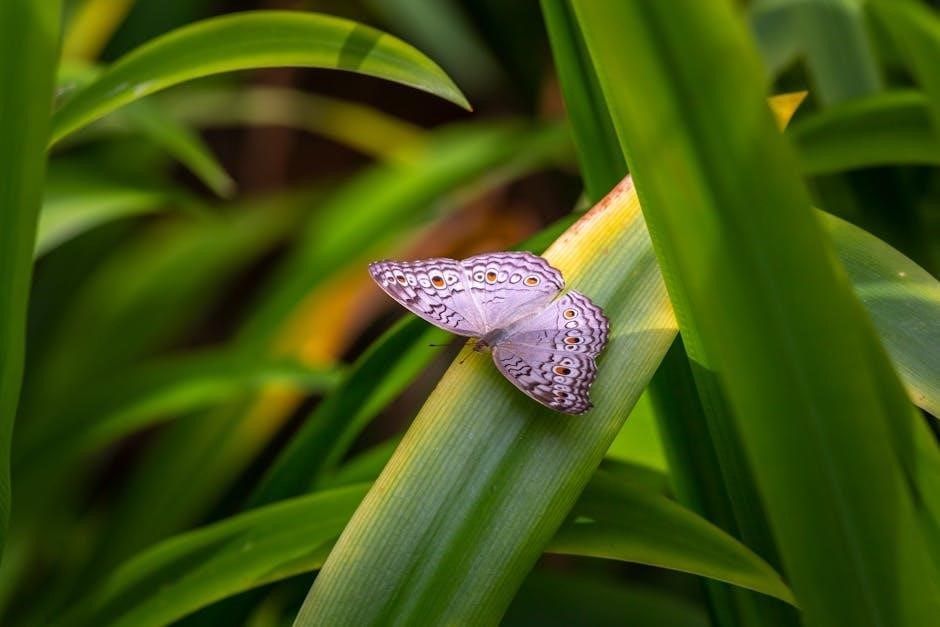
National Geographic’s kit sparks curiosity, offering a hands-on learning experience about metamorphosis. It’s designed for young learners, blending fun with educational content,
and provides step-by-step instructions for successful butterfly rearing.
What’s Included in the Kit?
The National Geographic Butterfly Kit comprehensively equips aspiring entomologists! Inside, you’ll discover a pop-up habitat, providing a secure environment for caterpillar development. It also includes five caterpillar larvae, specifically the Painted Lady variety, known for their vibrant wings.
Furthermore, the kit features an illustrated feeding dropper to deliver essential nourishment. A detailed instruction guide, brimming with fascinating facts, ensures a smooth and educational experience. You’ll also find a chrysalis observation cup for close-up viewing of the transformation process.
Understanding the Butterfly Life Cycle
The butterfly life cycle consists of four distinct stages: egg, larva (caterpillar), pupa (chrysalis), and adult butterfly. This kit focuses on the latter three stages, allowing observation of remarkable transformation. Caterpillars eat and grow, molting their skin as they increase in size.
Next, they form a chrysalis, a protective shell where metamorphosis occurs. Inside, the caterpillar’s body reorganizes into a butterfly. Finally, a beautiful butterfly emerges, ready to reproduce and continue the cycle!
Setting Up Your Butterfly Habitat
Carefully assemble the provided habitat, ensuring a secure and ventilated environment for your caterpillars. A clean space is crucial for healthy development and observation.
Choosing the Right Location
Select a location away from direct sunlight and extreme temperatures, ideally a room maintaining 68-78°F (20-26°C). Avoid placing the habitat near drafts or loud noises, as these can stress the caterpillars. Ensure the habitat is easily accessible for daily observation and care, but secure from pets and small children. A stable surface is essential to prevent accidental tipping, safeguarding the developing butterflies within.
Assembling the Habitat
Carefully unfold the mesh habitat, ensuring the zipper closure is functioning smoothly. Insert the support rings to maintain the structure’s shape, providing ample space for caterpillar movement. Place the habitat on a stable, level surface. Secure the bottom closure tightly to prevent escapes. Familiarize yourself with the habitat’s components before introducing caterpillars, ensuring a safe and comfortable environment.
Caring for Your Caterpillars
Regularly provide fresh food, maintaining a moist environment without overwatering. Remove waste daily to ensure cleanliness, promoting caterpillar health and preventing mold growth within the habitat.
Providing Fresh Food
Caterpillars are voracious eaters! Ensure a constant supply of fresh food, typically milkweed for Monarch butterflies, as included with the kit. Replace the food source at least twice daily, or whenever it appears consumed or dried out. A small piece of apple or orange slice can offer supplemental hydration.
Moisture is key; lightly mist the food with water to keep it appealing. Avoid overcrowding the habitat with too much food at once, as this can lead to mold. Observe your caterpillars’ eating habits to adjust the quantity provided.
Maintaining Habitat Cleanliness
A clean habitat is crucial for caterpillar health. Remove caterpillar frass (droppings) and any uneaten, decaying food daily using a damp paper towel. Avoid disturbing the caterpillars unnecessarily during cleaning. Gently wipe down the habitat walls if condensation builds up, as this can promote mold growth.
Regular cleaning prevents bacterial and fungal issues. Do not use harsh chemicals or soaps; water is sufficient. A clean environment significantly increases the chances of successful metamorphosis and healthy butterfly emergence.
Observing Caterpillar Development
Carefully monitor your caterpillars daily, noting size changes and behavior. Document their growth, and prepare for molting stages – a key part of their transformation!
Molting Stages
Caterpillars grow by shedding their exoskeletons – this is molting! You’ll notice your caterpillar stops eating and becomes still. Don’t disturb it during this vulnerable phase. The old skin splits, and a new, larger one emerges.
Typically, caterpillars molt several times (instars) throughout their development. Observe closely, as the discarded skin will be visible in the habitat. This process is crucial for growth and prepares them for the chrysalis stage.
Caterpillar Growth Timeline
Expect the caterpillar stage to last approximately 2-3 weeks, though this varies with temperature and species. Initially, the caterpillar will be small, focusing on rapid eating and growth. Daily observation reveals noticeable size increases.
As it grows, it will molt several times, each instar larger than the last. Documenting these changes with photos creates a fantastic learning record. Be patient; the timeline is a guide, and nature follows its own pace!
The Chrysalis Stage
Once the caterpillar is fully grown, it forms a chrysalis. This transformative stage lasts 1-2 weeks, appearing as a jade-green, jewel-like shell.
What Happens Inside the Chrysalis?
Within the seemingly still chrysalis, a remarkable transformation unfolds. The caterpillar undergoes complete metamorphosis, breaking down its body and reorganizing into a butterfly. This complex process involves specialized cells, imaginal discs, which were present in the caterpillar, now driving the development of wings, legs, and antennae.
Do not disturb the chrysalis during this crucial period; movement can damage the developing butterfly. Observe closely for color changes, indicating the nearing emergence. Patience is key as nature takes its course!
Monitoring Chrysalis Development
Regularly observe the chrysalis for changes in color and transparency. Initially, it may be green or brown, camouflaged for protection. As the butterfly develops, the chrysalis often becomes more translucent, revealing the butterfly’s wing patterns.
Note the date the chrysalis forms; butterflies typically emerge 7-14 days later. Avoid handling the chrysalis, as this can disrupt development. Maintain optimal habitat conditions – humidity and temperature – for successful metamorphosis.
Emerging Butterflies
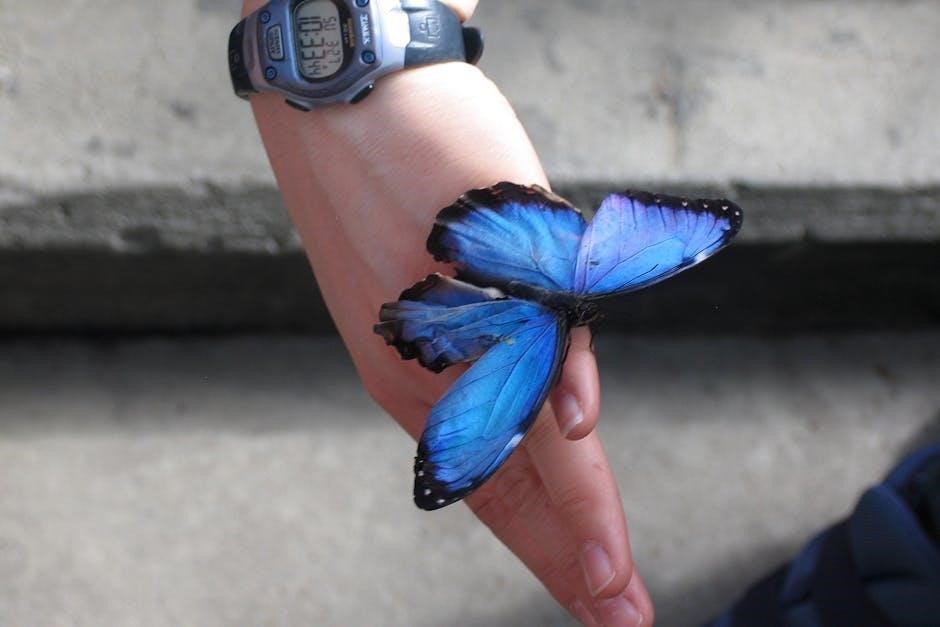
Once the butterfly emerges, allow its wings to fully expand and dry. Provide a safe, stable environment, avoiding disturbance during this crucial process.
Assisting with Butterfly Emergence
Butterfly emergence is a natural process, and intervention should be minimal. Avoid touching the butterfly’s wings, as this can cause damage and hinder flight. If a butterfly struggles significantly, gently offer a small twig or your finger for it to grasp.
Ensure the habitat remains undisturbed during emergence, providing a calm environment. Patience is key; the process can take several hours. Observe from a respectful distance, appreciating this incredible transformation. Do not attempt to pull the butterfly from its chrysalis.
Initial Butterfly Care
Newly emerged butterflies need time to expand and dry their wings. Keep the habitat quiet and avoid disturbances. The butterfly will pump fluid into its wings, a process that can take several hours.
Ensure adequate ventilation while protecting them from drafts. Avoid handling the butterfly immediately; allow it to fully recover. Observe for any signs of wing damage or difficulty expanding its wings, and provide a stable perch.
Feeding Your Butterflies
Butterflies require energy! Create a sugar solution (water & sugar) and offer it on a sponge or cotton ball. Provide diverse food sources for optimal health.
Creating a Sugar Solution
To nourish your emerging butterflies, a simple sugar solution is essential. Mix one part granulated sugar with four parts water – a ratio easily remembered! Stir thoroughly until the sugar completely dissolves, ensuring a clear liquid. Avoid using honey or artificial sweeteners, as these can be harmful to the butterflies.
Offer this solution by soaking a cotton ball or small sponge in it, and place it within the habitat. This provides an accessible and safe feeding source for the butterflies as they adjust to their new environment.
Offering Food Sources
Beyond the sugar solution, provide butterflies with natural food sources. Overripe fruit slices – oranges, watermelon, or bananas – are excellent choices. Place these directly within the habitat, ensuring they don’t attract unwanted pests like ants.
Additionally, consider offering butterfly nectar flowers, if available. Remember to replace fruit slices daily to prevent mold growth and maintain a clean, healthy environment for your beautiful winged friends.
Releasing Your Butterflies
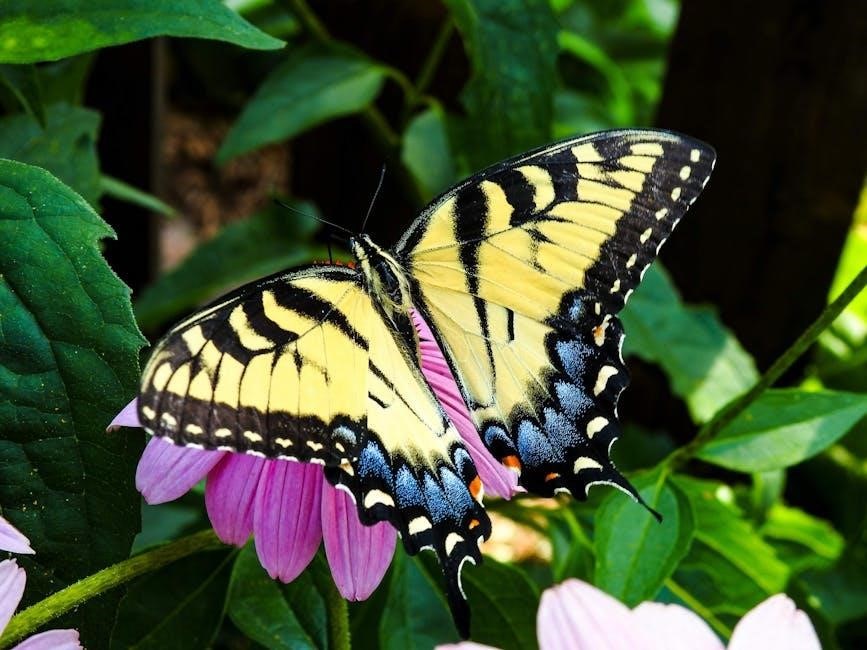
Choose a warm, sunny day for release. Gently open the habitat and allow the butterfly to fly out on its own, ensuring its safety.
Choosing the Right Release Day
Selecting the ideal day is crucial for a successful butterfly release. Opt for a day with abundant sunshine and temperatures exceeding 65°F (18°C). Avoid releasing during rain, strong winds, or excessively cold weather, as these conditions can hinder the butterfly’s ability to fly and thrive.
Ensure the release location offers access to nectar-rich flowers, providing essential nourishment for the newly emerged butterfly. Observing the local weather forecast is highly recommended to guarantee optimal release conditions.
Proper Release Techniques
Gently open the habitat and allow the butterfly to emerge on its own accord. Avoid forcing or prodding, as this could damage its delicate wings. If the butterfly doesn’t immediately fly, offer a stationary perch, like a flower or your finger, for it to gain strength.
Release the butterfly in an open area with plenty of wildflowers. Observe its initial flight to ensure it’s strong and stable, contributing to a successful transition to its new environment.
Troubleshooting Common Issues
Addressing challenges like caterpillars refusing food or mold growth is crucial. Maintaining cleanliness and providing fresh food sources are key to a thriving habitat.
Caterpillars Not Eating
If caterpillars aren’t eating, first ensure fresh food is provided daily. Milkweed, the primary food source, must be kept moist and upright in water.
Temperature fluctuations can also impact appetite; maintain a consistent, warm environment. Check for overcrowding, as stressed caterpillars may refuse to feed.
Occasionally, caterpillars enter a pre-molt state and temporarily stop eating – observe for signs of shedding. If the issue persists, consult the kit’s guide.
Mold in the Habitat
Mold growth within the habitat indicates excessive moisture and poor ventilation. Immediately remove any moldy food or caterpillar frass. Increase airflow by gently opening the habitat’s vents or briefly removing the lid. Avoid over-misting; caterpillars obtain moisture from their food.
If mold persists, carefully clean the habitat with a diluted, mild soap solution, rinsing thoroughly and drying completely before reintroducing caterpillars.
Educational Resources
National Geographic provides a comprehensive butterfly guide to aid identification. Explore further learning opportunities online, expanding knowledge beyond the kit’s core experience and fostering curiosity.
National Geographic Butterfly Guide
The included National Geographic Butterfly Guide is an invaluable resource for identifying the species raised within the kit, typically the Painted Lady. This guide features detailed illustrations and descriptions, covering each stage of the butterfly’s life cycle – from egg to adult.
It also provides insights into butterfly habitats, behaviors, and conservation efforts. Beyond species identification, the guide enhances understanding of broader ecological concepts, making it a fantastic supplemental learning tool for young entomologists and nature enthusiasts alike.
Further Learning Opportunities
Extend the learning beyond the kit with National Geographic’s extensive online resources, including articles, videos, and interactive features about butterflies and insects. Explore citizen science projects, contributing observations to real-world research.
Consider visiting local butterfly gardens or nature centers for immersive experiences. Encourage reading additional books on entomology and ecology, fostering a lifelong passion for the natural world and scientific inquiry.
Butterfly Kit Safety
Always wash hands after handling caterpillars or the habitat. Avoid releasing butterflies near roads or pesticides, ensuring their safety and well-being during release.
Handling Caterpillars and Butterflies
Gentle handling is crucial! Caterpillars are delicate; avoid squeezing or prodding them. If you must move a caterpillar, gently coax it onto a leaf or use a soft brush. Butterflies are even more fragile – never hold them firmly. Support their wings with your fingers, allowing them to rest comfortably.
Remember, these creatures are easily stressed. Minimize handling time and always wash your hands thoroughly before and after interacting with caterpillars or butterflies to prevent the spread of oils or bacteria.
Habitat Maintenance Safety
Regular cleaning is vital, but prioritize safety! Always wash your hands after handling habitat components or caterpillar waste. Avoid using harsh chemicals or soaps; mild dish soap and water are best. Ensure the habitat is stable and secure to prevent accidental spills or escapes.
Supervise children during habitat maintenance. Discard used food and frass responsibly. Be mindful of potential allergens, especially if anyone has sensitivities to plants used as caterpillar food;
Extending the Experience
Continue learning by creating a butterfly garden with nectar-rich plants! Participate in citizen science projects, contributing valuable data about butterfly populations and migration patterns.
Butterfly Gardening
Expand your butterfly journey by cultivating a garden specifically designed to attract these beautiful creatures! Plant nectar-rich flowers like butterfly bush, lavender, and zinnias to provide essential food sources.
Consider host plants – those caterpillars feed on – such as milkweed for Monarchs. A diverse garden supports various species, creating a thriving ecosystem. Research native plants for your region to ensure optimal butterfly attraction and sustainability.
Citizen Science Projects
Contribute to real scientific research by participating in citizen science initiatives! Report your butterfly observations to platforms like Journey North or iNaturalist. These projects help track migration patterns, population sizes, and species distribution.
Your data, gathered from raising butterflies with the National Geographic kit, becomes valuable information for scientists. This collaborative effort aids conservation efforts and expands our understanding of these fascinating insects. Become a butterfly advocate!